Description
Translation is poised to become the metaphor of our times. Things change, metamorphose, become other. But the dynamic is not random; the new is always modelled on the old, reformed in accordance with changing circumstances – a constant process of becoming that is constitutive of languages, knowledge and cultures.
This was how ‘translation’ was understood in the medieval period before representation was installed as the dominant theory of meaning in the Western world. It was an embodied performative concept, which was vertical as well as horizontal in that it involved change over time.
In Middle English, flowers, bishops, captured peoples, and the relics of saints are all translat from garden to garden, see to see, kingdom to kingdom, shrine to shrine; the soul is translat to God in mystical rapture or at death; and learning, culture, political power, and divine covenant are translat from east to west, pagan to Christian, Old to New Testament, in various manifestations of ‘translatio studii et imperii’, the translation of learning and empire (Watson 2008:76).
Today, translation is again being used in senses that take it far beyond the merely textual. In philosophy, it is ‘understanding, interpretation and hermeneutics’; in linguistics it is ‘meaning, conceptualization, construal and metaphor’; in anthropology ‘an encounter with others and oneself’ (Blumczynski 2016: ix). In biology, genes are translated into cells and bodies, while in medicine, scientific findings are translated into enhanced health and well-being. For Douglas Robinson (2017: x), translationality is ‘transformationality: the constant emergingness of everything through embodied, situated, performative interactions’ [my emphasis].
This strand seeks to explore the transformative processes at work within the Centre’s specific domains of interest. It looks not only at how texts metamorphose in different linguistic, cultural and semiotic settings, but also at how concepts, models and codes migrate and evolve over time.
It therefore contemplates a range of perspectives from the theoretical, descriptive and critical to the practical and pedagogical. Initiatives proposed under its auspices will include not only research into various forms of translational behavior, but also practical training sessions designed to complement the courses currently offered on our degree programmes.
Bibliography:
Blumczynski, Piotr (2016) Ubiquitous Translation. London and New York: Routledge.
Robinson, Douglas (2017) Translationality: Essays in the Translational-Medical Humanities. London and New York: Routledge
Watson, Nicholas (2008) ‘Theories of Translation’. In the Oxford History of Literary Translation into English, Vol. 1. To 1550. R Ellis (ed.) Oxford University Press. 73-90.
Keynote lectures
‘Beyond epistemicide: translating knowledge in the multilingual paradigm’. Keynote lecture at conference on Textual Identities through Translation. National and Kapodistrian University, Athens, 22-23 February 2019
‘The veiled guest: migration, translation and the limits of hybridization’. Guest participation (sub-plenary) in Round Table on ‘Translation, migrations and asymmetries in the globalised world’. 1st international conference on Translation and Cultural Sustainability: Groundwork, Foundations and Applications. U. Salamanca, 28-30 November 2018.
‘The intersemiotic denseness of being’. Keynote lecture at conference Translation Research – Translator Training, PPCU Faculty of Humanities and Social Sciences, Budapest. 24-26 May 2018.
‘Creativity in EAP: snapshots from the frontier’, Keynote speaker at seminar organized by English for Academic Purposes Unit, Oslo and Akershus University College of Applied Sciences, 28th April 2017
‘Translating knowledge in the translingual paradigm’. Keynote lecture at ARTIS Symposium on Translation and Knowledge, Ajou Centre for Translating and Interpreting Studies, Ajou University, Suwon, S. Korea. 12th– 14th January 2017
‘Combating rigor mortis in academic writing (or breathing new life into a corpse). Keynote lecture at the Conference of the Norwegian Forum for English for Academic Purposes, EAP and Creativity, Oslo, 8th-10th June 2016
Translation Matters journal
CETAPS’s strand on Translationality is delighted to inform you that its Translation Matters journal has been successfully indexed in SCOPUS, which is the leading abstract and citation database for peer-reviewed literature. This important milestone guarantees that the journal’s articles can be readily located when conducting searches related to translation and interpreting. Moreover, it empowers our authors to monitor the frequency of citations their work receives from other researchers. Huge thanks to our authors, peer-reviewers, copy-editors and advisory board for making all this possible!
Founded in 2019, Translation Matters explores all aspects of translation, ranging from the theoretical and descriptive to the practical and technical. It has worked, above all, as a platform for young researchers, a staging post in their trajectory to the wider world of international Translation Studies. Irrespective of the editorial decision, all authors are given constructive advice about how their articles can be improved. We look forward to your submission!
A strand Translationality do CETAPS tem o prazer de informar que a sua revista Translation Matters foi indexada com sucesso na SCOPUS, a base de dados de referência de resumos e citações de literatura revista por pares. Este marco importante garante que os artigos da revista podem ser facilmente localizados em pesquisas relacionadas com a tradução e a interpretação. Além disso, permite aos nossos autores monitorizar a frequência com que o seu trabalho é citado por outros investigadores. Um enorme agradecimento aos nossos autores, revisores, revisores de texto e conselho consultivo por tornarem tudo isto possível!
Fundada em 2019, a Translation Matters explora todos os aspectos da tradução, desde o teórico e descritivo ao prático e técnico. Tem funcionado, acima de tudo, como uma plataforma para jovens investigadores, um ponto de partida na sua trajetória para o mundo mais vasto dos Estudos de Tradução internacionais. Independentemente da decisão editorial, todos os autores recebem conselhos construtivos sobre como os seus artigos podem ser melhorados. Aguardamos com expectativa a sua submissão!
Conferences
- Conference: Picturebooks and graphic narratives in education and translation: Mediation and multimodality. 24-26 June 2021 https://picbookseducation.wordpress.com/
- Symposium Medieval Metamorphosis: Rewritings, Tradition and Translation. 27 May 2021
Graduate Symposium: New Voices in Portuguese Translation Studies IV. 4-5 February 2021 https://newvoicespts.wordpress.com/newvoices2021/ - Graduate Symposium: New Voices in Portuguese Translation Studies III. 6 February 2020 https://newvoicespts.wordpress.com/2020-2/
- Conference: A importância do tradutor/intérprete num mundo globalizado, Aptrad – Associação de Profissionais de Tradução e de Interpretação. 1 July 2019. FCSH
- Graduate Symposium: New Voices in Portuguese Translation Studies II. 14th February 2019 https://newvoicespts.wordpress.com/2019-2/
- International interdisciplinary conference: “A host of tongues…”: Multilingualism, lingua franca and translation in the Early Modern period(co-hosted with CHAM and CEL). 13th to 15th December 2018. https://ahostoftongues.wordpress.com/
- I Jornadas sobre Tradução de Espanhol para Português e de Português para Espanhol. FCSH, 19 de Outubro 2018. https://jornadastraducaoesptptes.weebly.com/
- Graduate Symposium: New Voices in Portuguese Translation Studies I. 25thJanuary 2018. https://newvoicespts.wordpress.com/2018-2/
Publications
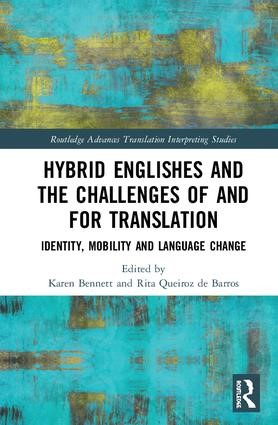
- Edited collection: Hybrid Englishes and the Challenges of and for Translation: Identity, Mobility and Language Change. Karen Bennett and Rita Queiroz de Barros (eds). London and New York: Routledge (2019). https://www.routledge.com/Hybrid-Englishes-and-the-Challenges-of-and-for-Translation-Identity-Mobility/Bennett-Queiroz-de-Barros/p/book/9781138307407
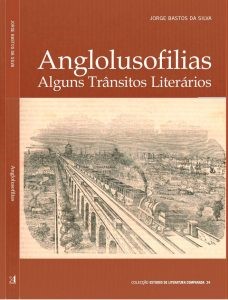
- Monograph: Anglolusofilias: Alguns Trânsitos Literários, Jorge Bastos da Silva. Porto: Edições Afrontamento. http://ilcml.com/estudos-de-literatura-comparada/img11/
- e-journal: Translation Matters https://ojs.letras.up.pt/index.php/tm/issue/view/393
- Newsletter: Portugal Translation News http://cetaps.fcsh.unl.pt/teals-translationality/
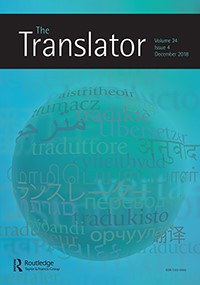
- Special Issue: International English and Translation, special issue of The Translator23/4 (2017), Karen Bennett and Rita Queiroz de Barros (eds) https://tandfonline.com/doi/full/10.1080/13556509.2017.1385939
Book Reviews
Translation as actor-networking: actors, agencies, and networks in the making of Arthur Waley’s English translation of the Chinese Journey to the West (Routledge Advances in Translation and Interpreting Studies) by Wenyan Luo, New York and Abingdon, Routledge, 2020, 246 pp., £120.00 (hardback), ISBN 978-0- 367-37502-7; £33.29 (e- book), ISBN 978-0-367-81581-3. Gisele Dionísio da Silva
Training Courses and Workshops
- Summer course: Best Practices in Translation Technology. FCSH. 15th-20th July 2019. http://fcsh.unl.pt/formacao-ao-longo-da-vida/escola-de-verao/cursos-2019/boas-praticas-de-tecnologia-para-traducao-best-practices-in-translation-technology
- Workshop:Translate Lisbon, FCSH, 1 Junho 2019.
- Open Lesson: Variedade linguística, distância entre línguas e tradução automática by José Ramon Pichel (U. País Basco). Sala: B2 N 22 May 2019, 16h-18h.
- Summer School(FLUP): Tradução cibernética: em busca do equilíbrio entre seres humanos e máquinas. 25th to 29th June 2018. http://escoladetraducao.pt/
- Summer School (FCSH): CAT Tools: a) Introduction to MemoQ; b) Translation Project Management Tools; c) Best Practices in Translation Technology. Summer 2018.
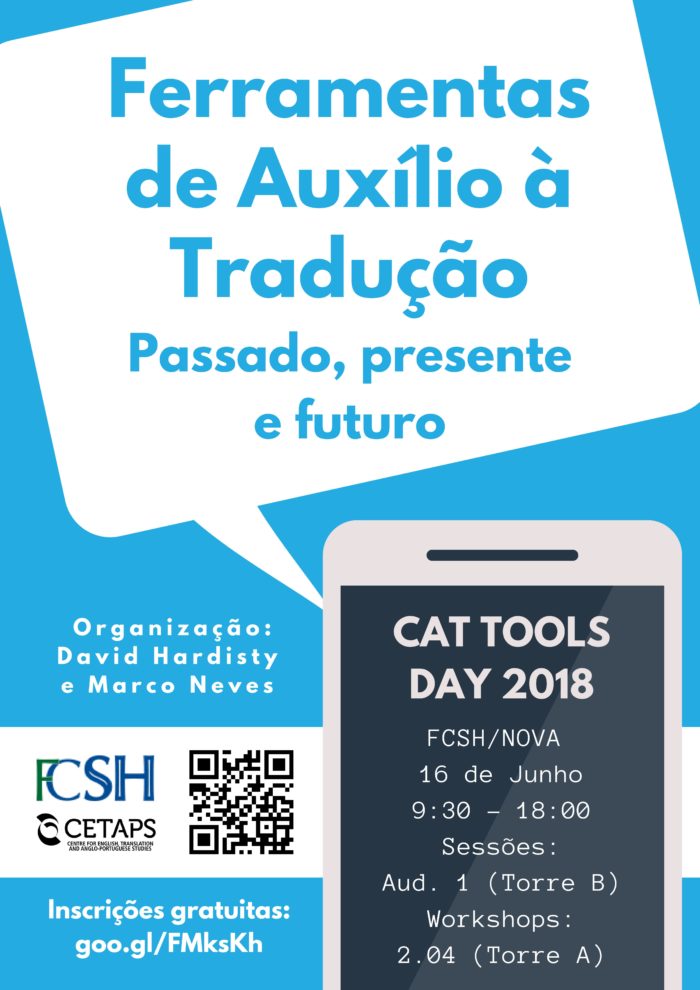
- Workshop: Ferramentas de Auxílio à Tradução Passado, presente e futuro, FCSH, 16 Junho 2018. 9h30-18h, TB Aud.1/ TA 2.04.
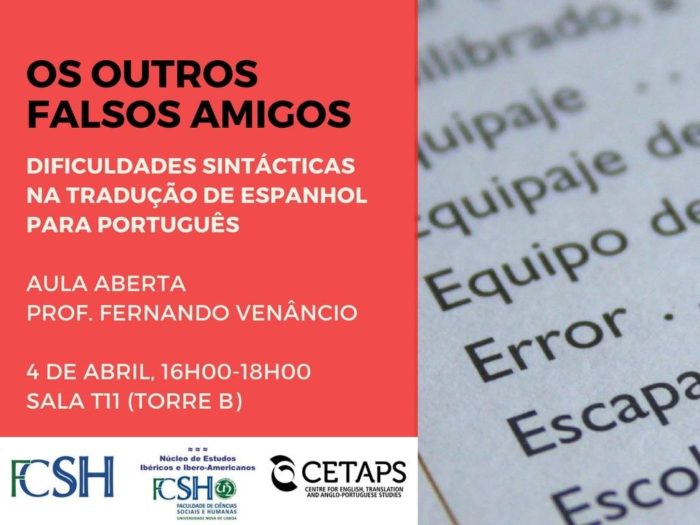
- Open Lesson: As dificuldades sintácticas na tradução de espanhol para português, com orador convidado, Prof. Fernando Venâncio. FCSH, Sala T12, 4 Abril 2018. 16h-18h.
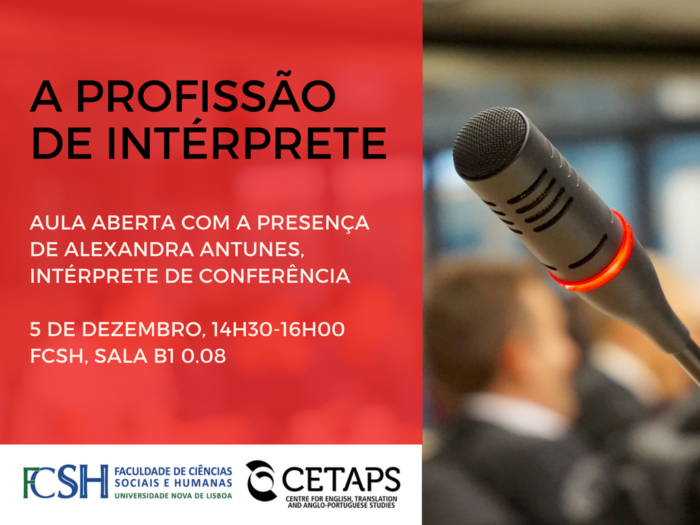
- Open Lesson: A profissão de intérprete, com oradora convidada, Alexandra Antunes. FCSH, Sala B1 0.08. 5 Dezembro 2017. 14h30-16h.
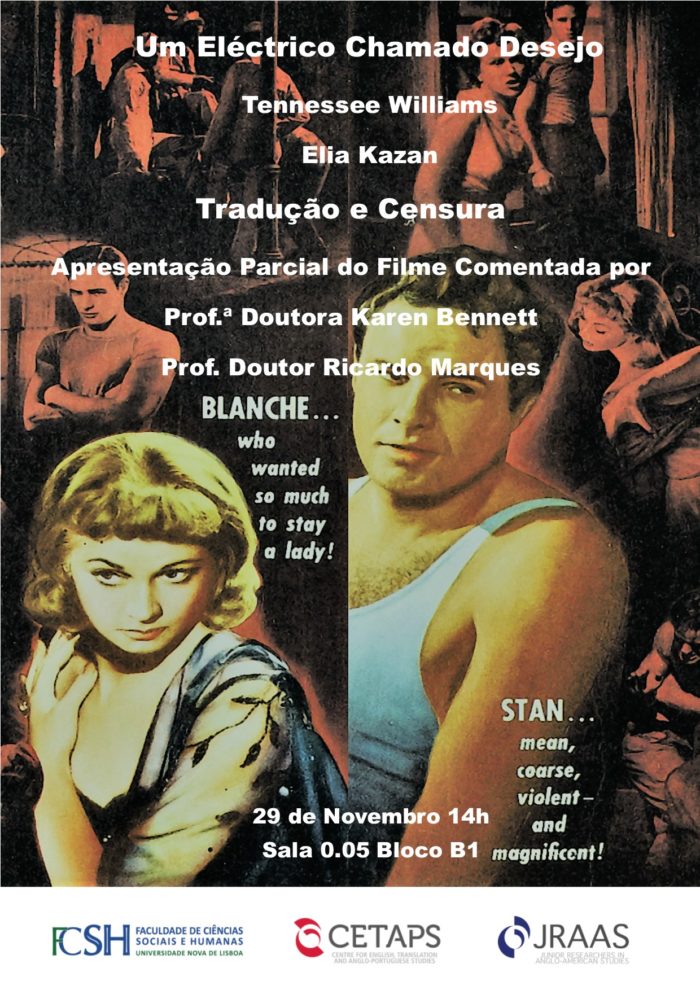
- Open Lesson: Tradução e Censura em ‘Um Eléctrico Chamado Desejo’, com oradores convidados, Prof. Teresa Botelho e Prof. Ricardo Marques. 29 November 2017, FCSH, Sala B1 0.05. 14h-16h.
- Training Programme: A Change in Scope: From Training to Education in Memo-Q (David Hardisty and Marco Neves): June 2018 https://www.memoq.com/en/news/nova-university-and-memoq-help-translation-student
Activities
-

- Ferramentas de Auxílio à Tradução
-
- Os Outros Falsos Amigos
-
- A Profissão de Intérprete
-
- Tradução e Censura
Related Activities
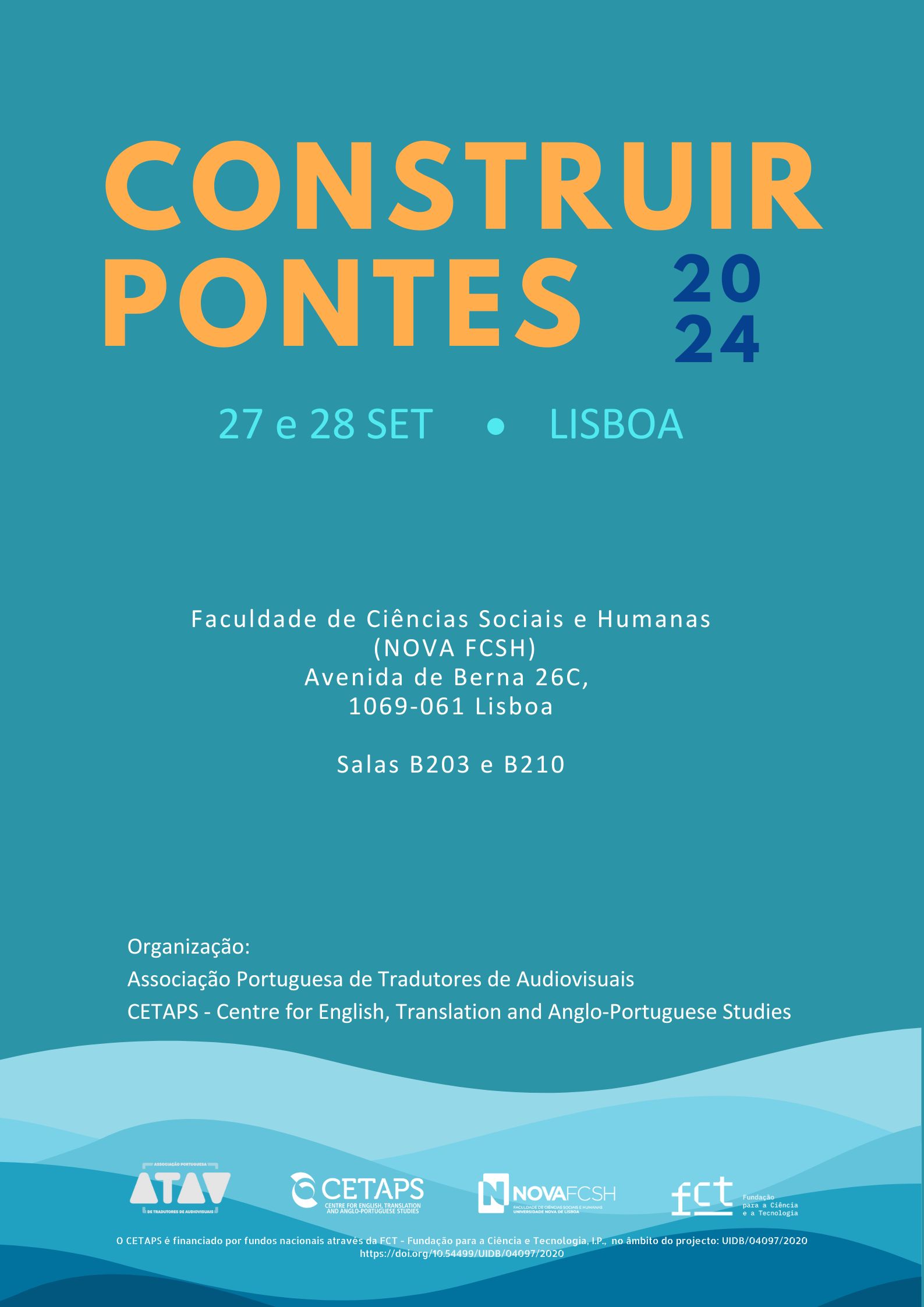
Construir Pontes 2024
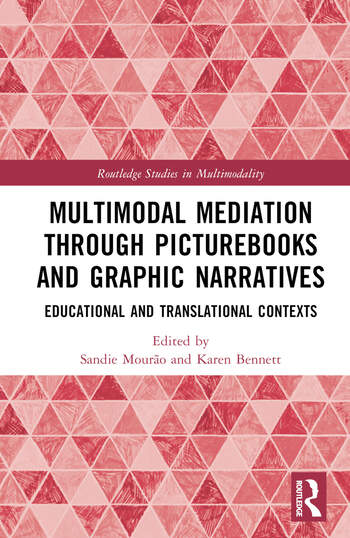
Multimodal Mediation through Picturebooks and Graphic Narratives

New Voices in Portuguese Translation Studies
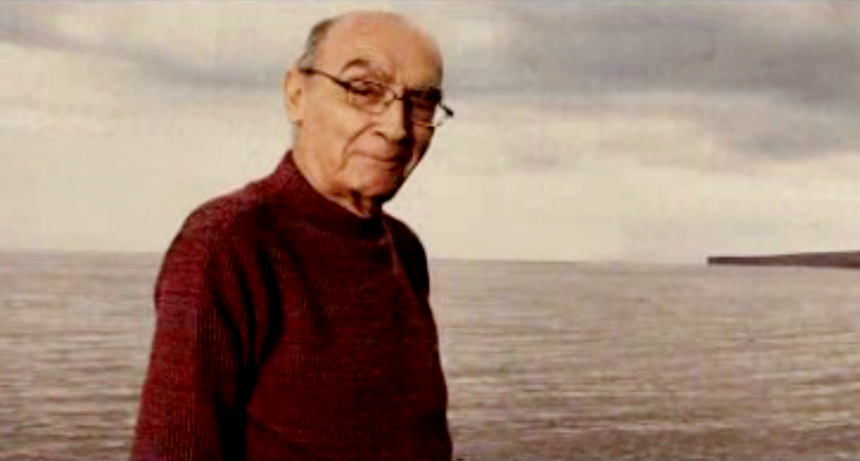
Reading José Saramago in Turkish
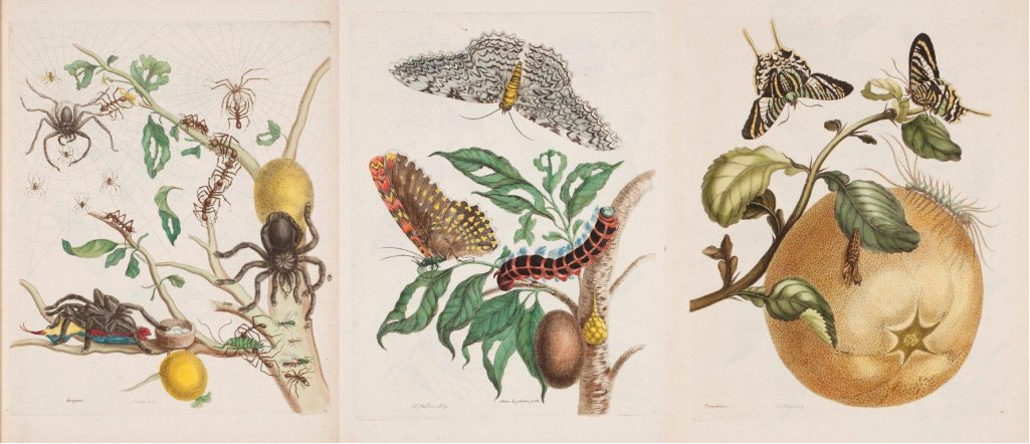
Epistemic Translation: Towards an Ecology of Knowledges
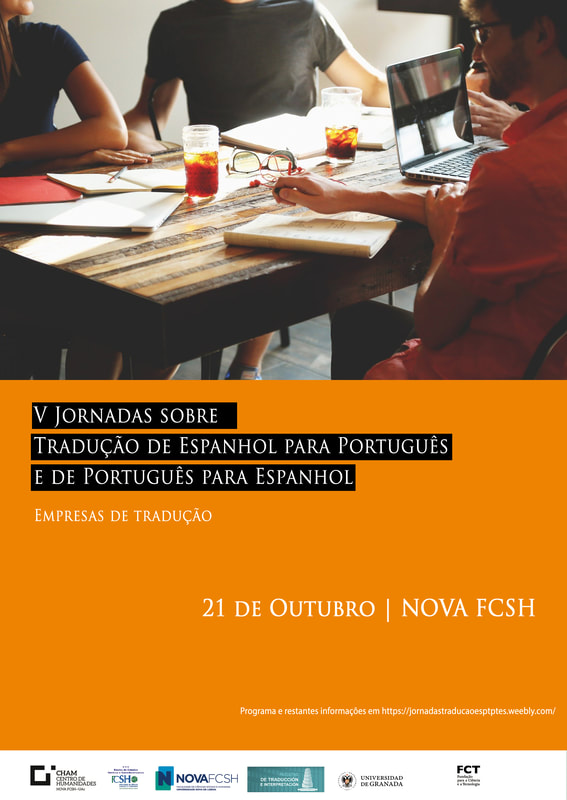
Jornadas sobre Tradução de Espanhol para Português e de Português para Espanhol
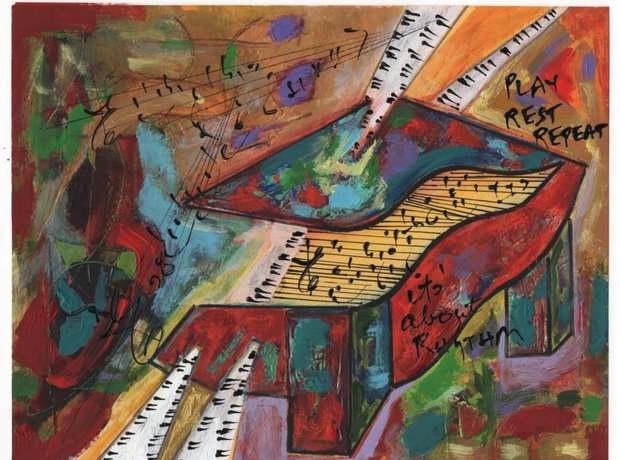
Soundscapes: translating from music

Picturebooks and Graphic Narratives in Education and Translation: Mediation and multimodality
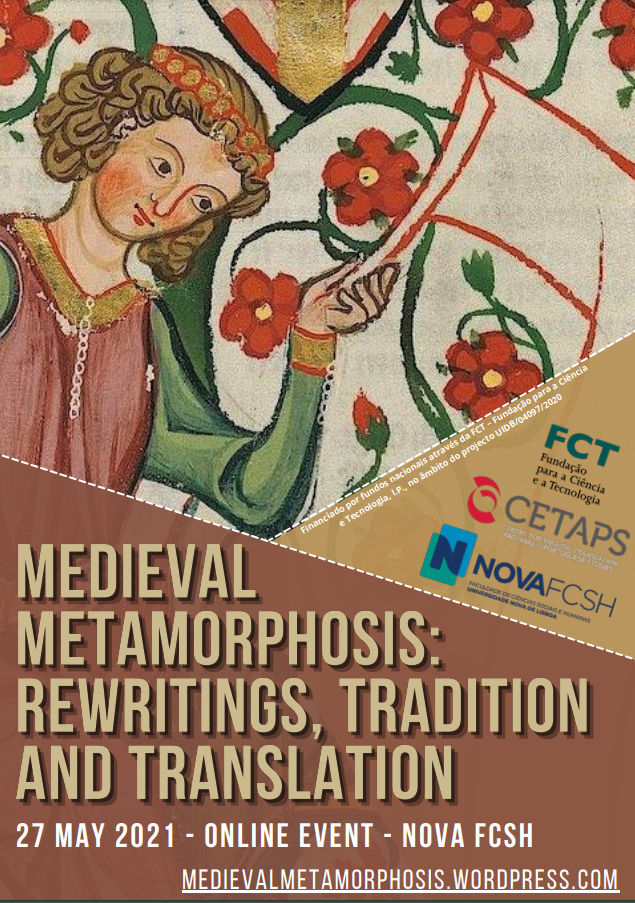
Medieval Metamorphosis: Rewritings, Tradition and Translation
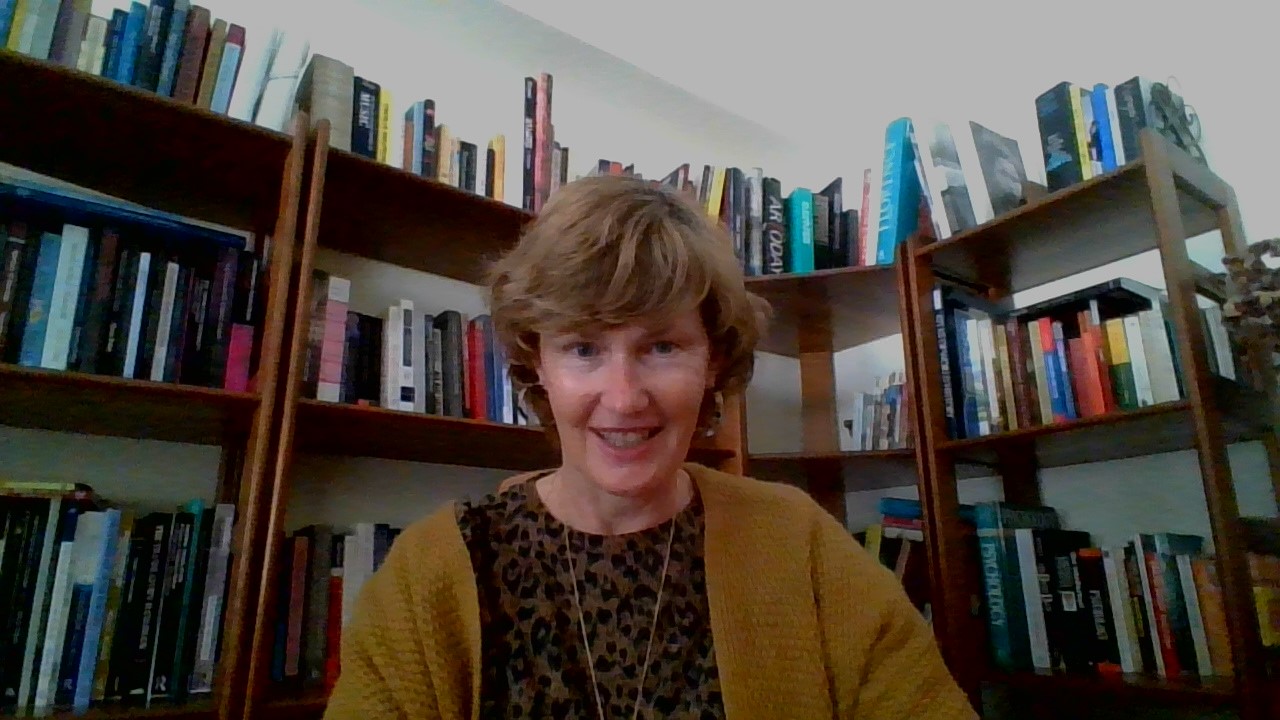
Interview with Professor Karen Bennett on translation in the academic context
Translation Café
The Epistran Project
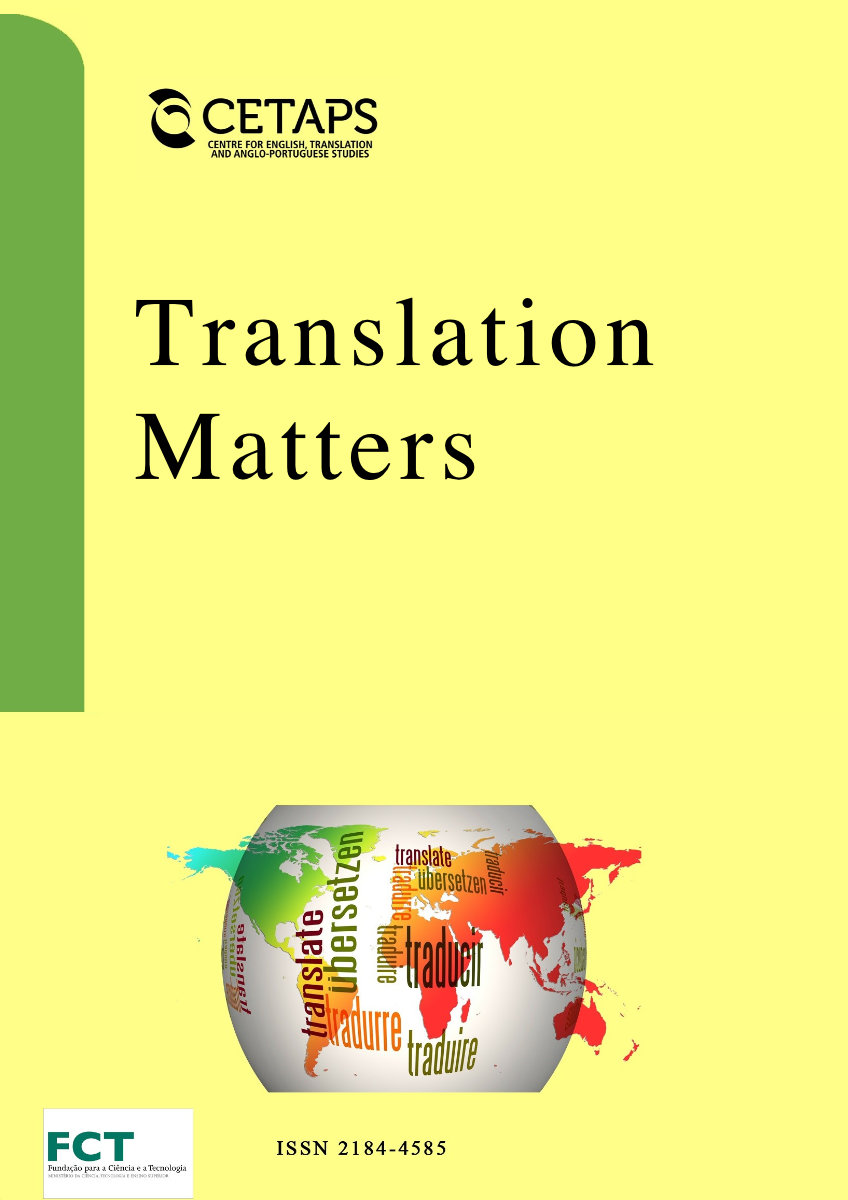
Translation Matters
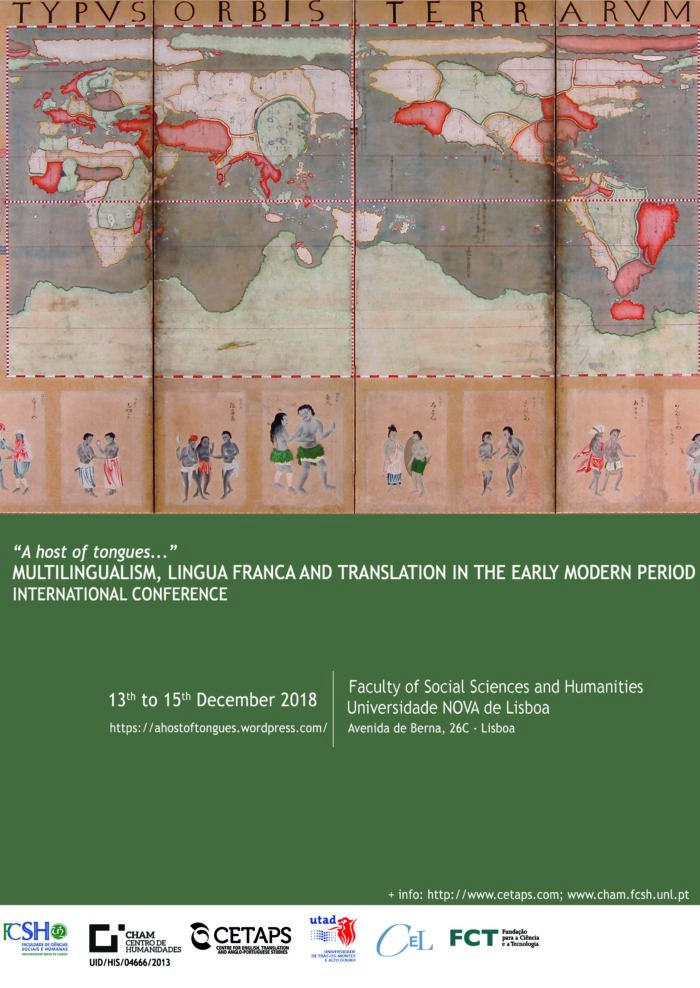
“A host of tongues…”: Multilingualism, lingua franca and translation in the Early Modern period
Members

Alexandra Costa Ferreira
Alexandra Costa Ferreira
Ana Cláudia Mendes

Andreia Sarabando
Bárbara Sofia Oliveira
Bárbara Sofia Oliveira

Carla Morais Pires

Carlos Guimarães
Daniela Rodrigues
David Swartz
Elena Galvão

Flávia Coelho

Frederico Vidal